Wildlife on an Extraordinary Scale
Explore some of the Southern Ocean’s richest penguin, seal and seabird habitats, always subject to natural conditions.
 POLAR TRAVEL TRIBE
THE MOST COMPLETE SOUTHERN OCEAN VOYAGE
Combine the Falkland Islands, South Georgia and Antarctic Peninsula, then continue south in the hope of crossing the Antarctic Circle.
This rare grand voyage brings together the Southern Ocean’s core wildlife regions and higher southern latitudes.
Every landing and any crossing of the Circle depend on conditions.
Explore some of the Southern Ocean’s richest penguin, seal and seabird habitats, always subject to natural conditions.
The captain and expedition team choose sites according to weather, swell, permits, wildlife activity and safety.
Use sea days for wildlife watching, lectures and the growing sense of distance between remote island groups.
Continue beyond the classic Peninsula route towards denser pack ice.
Ushuaia → Falkland Islands → South Georgia → Antarctic Peninsula → Antarctic Circle → Ushuaia
The map shows the main sailing direction. Actual landing sites are selected by the captain and expedition team according to weather, sea ice and safety conditions.
DAY BY DAY
A representative itinerary. The order of landings and cruising is adapted to local conditions.
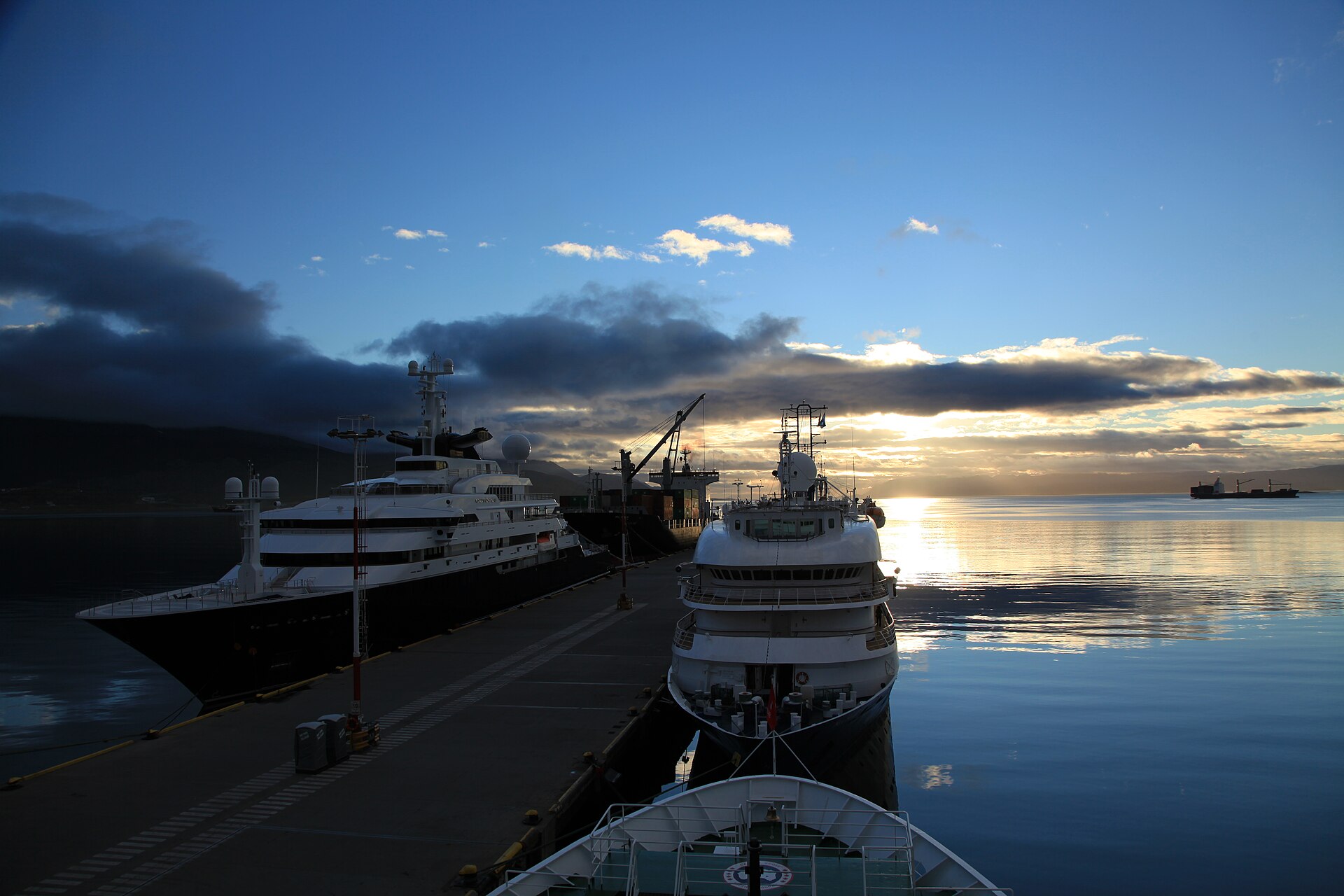
Board the expedition ship in Ushuaia, meet the team and complete the mandatory safety drill. As the vessel follows the Beagle Channel towards open water, settle into your cabin, explore the observation decks and watch the mountains and forests of Tierra del Fuego recede.
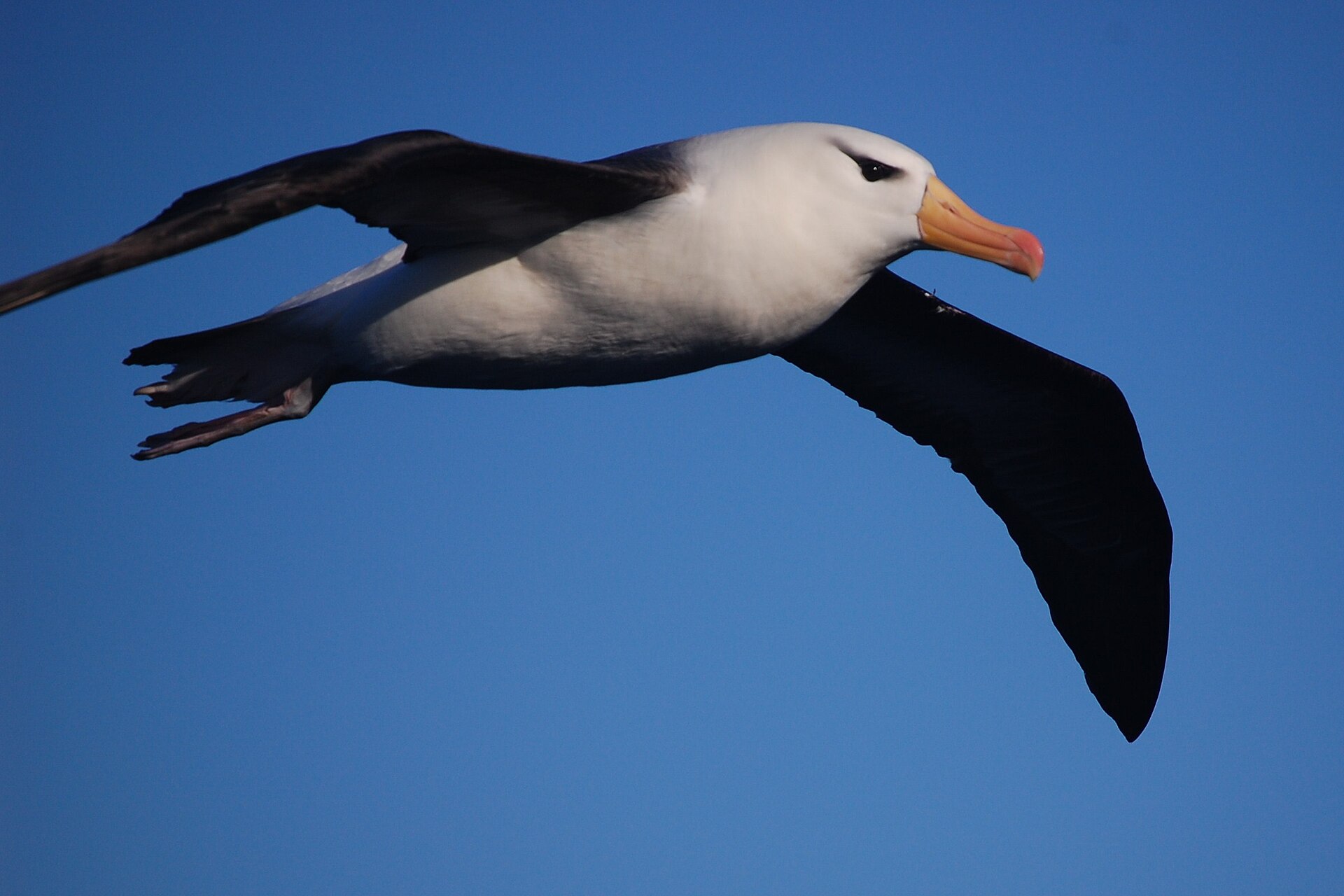
Sail towards the Falkland Islands while the expedition team introduces the voyage’s wildlife, history and responsible landing procedures. Join lectures and photography sessions, and spend time on deck watching for albatrosses, petrels, dolphins and other marine life carried across the South Atlantic.
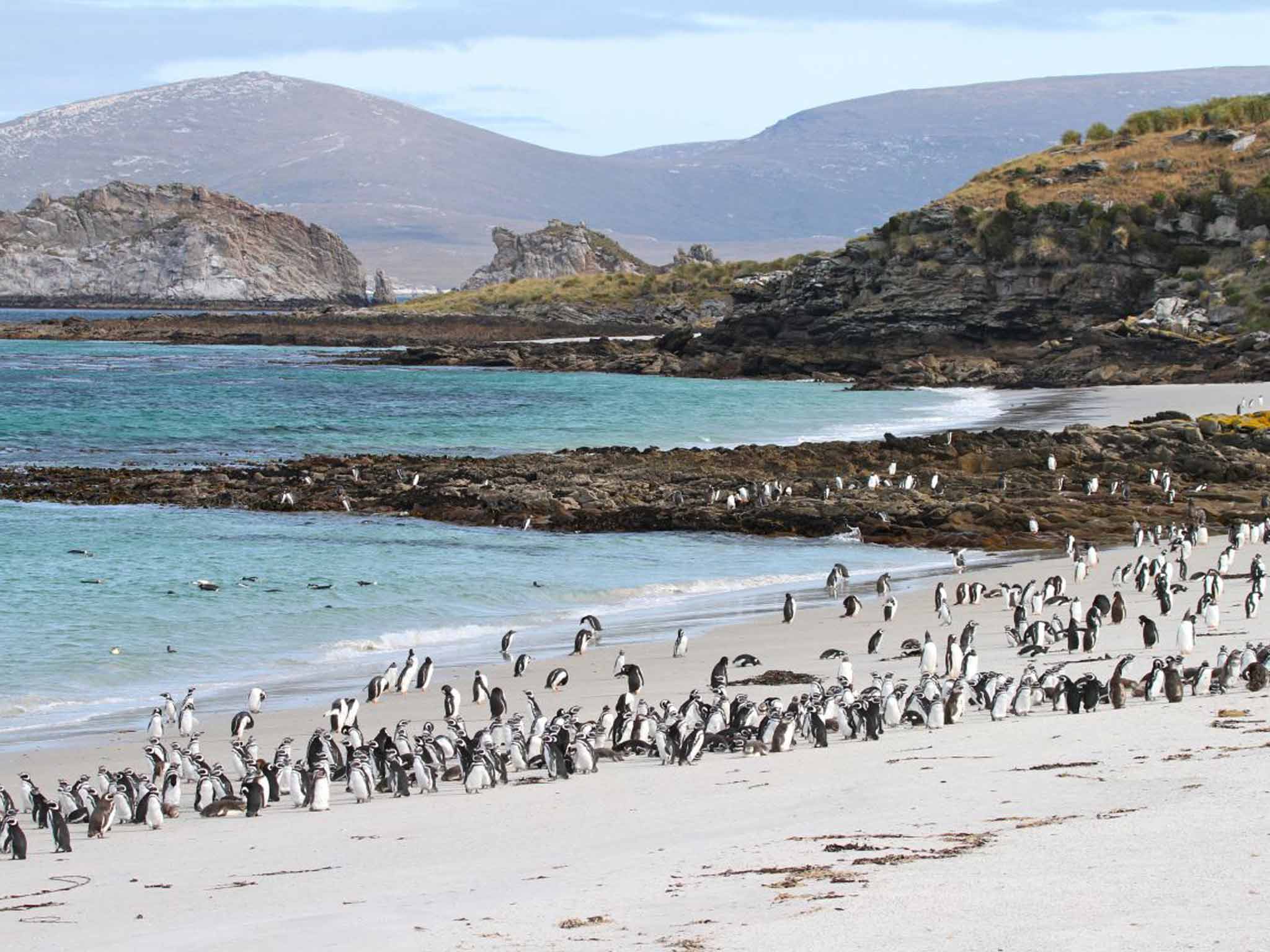
Explore the Falklands through landings chosen for the day’s wind, swell and wildlife activity. White-sand beaches, tussock-covered shores and small island communities may be combined with walks near penguin or albatross colonies. Naturalists explain how the islands’ open landscapes support a remarkable concentration of seabirds.
Cross the South Atlantic towards South Georgia, using the sea days for wildlife watching and deeper introductions to the island’s ecology and history. Albatrosses and petrels may follow the ship, while expedition briefings prepare guests for busy beaches, strict wildlife distances and rapidly changing weather.
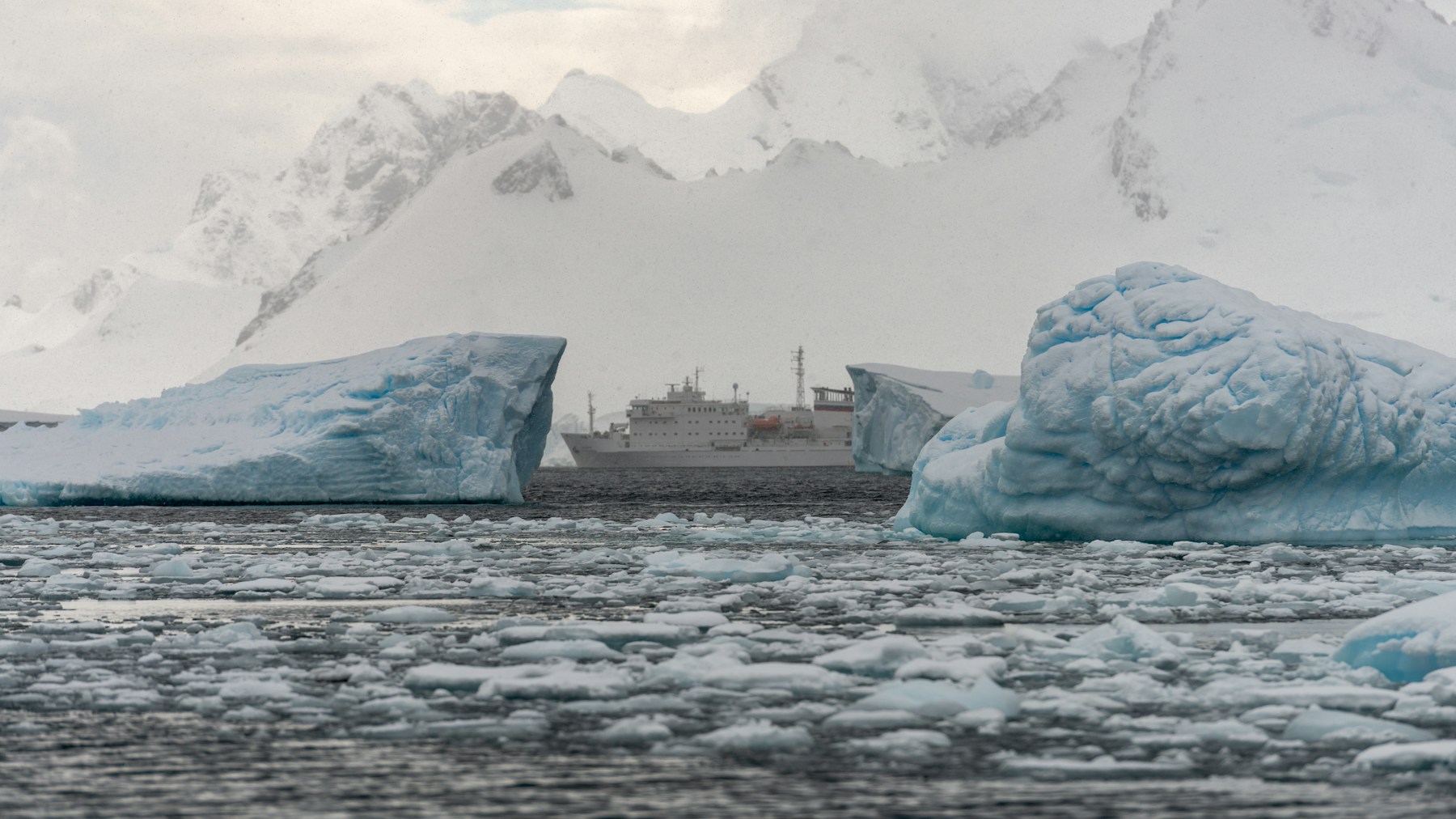
Experience South Georgia’s immense wildlife and mountain scenery through flexible landings and Zodiac cruises. King-penguin colonies may fill entire valleys, while elephant and fur seals gather along the beaches. Conditions may allow visits to Grytviken or other historic locations, always balanced with weather, swell and wildlife-protection requirements. Guided walks and patient observation provide time to absorb the scale, sound and movement of these remarkable shores.
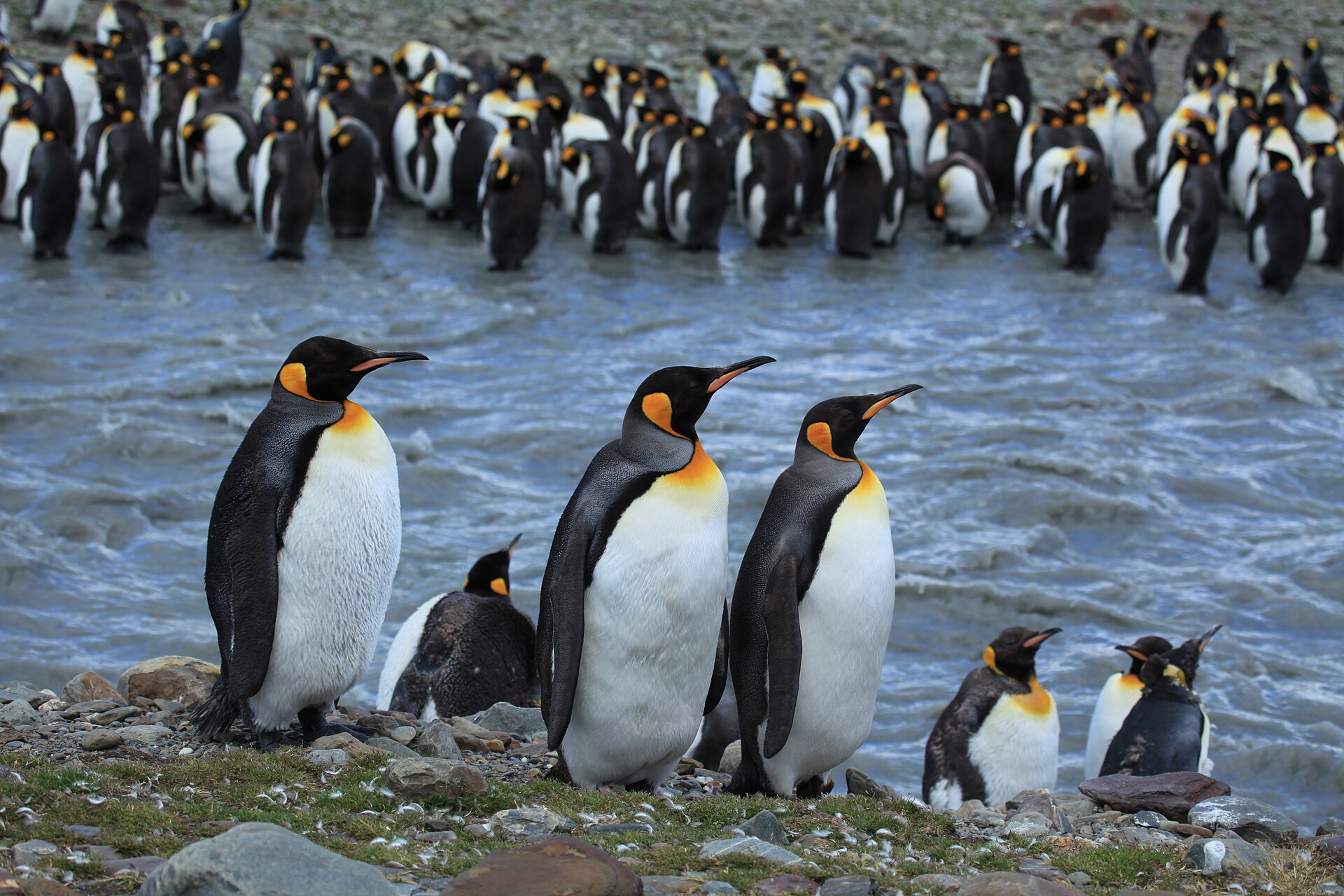
Continue south across the Scotia Sea as temperatures fall and the first icebergs appear. Naturalists scan for whales and seabirds from the bridge and outer decks, while talks connect the sub-Antarctic ecosystems already visited with the colder marine environment of the Antarctic Peninsula ahead.
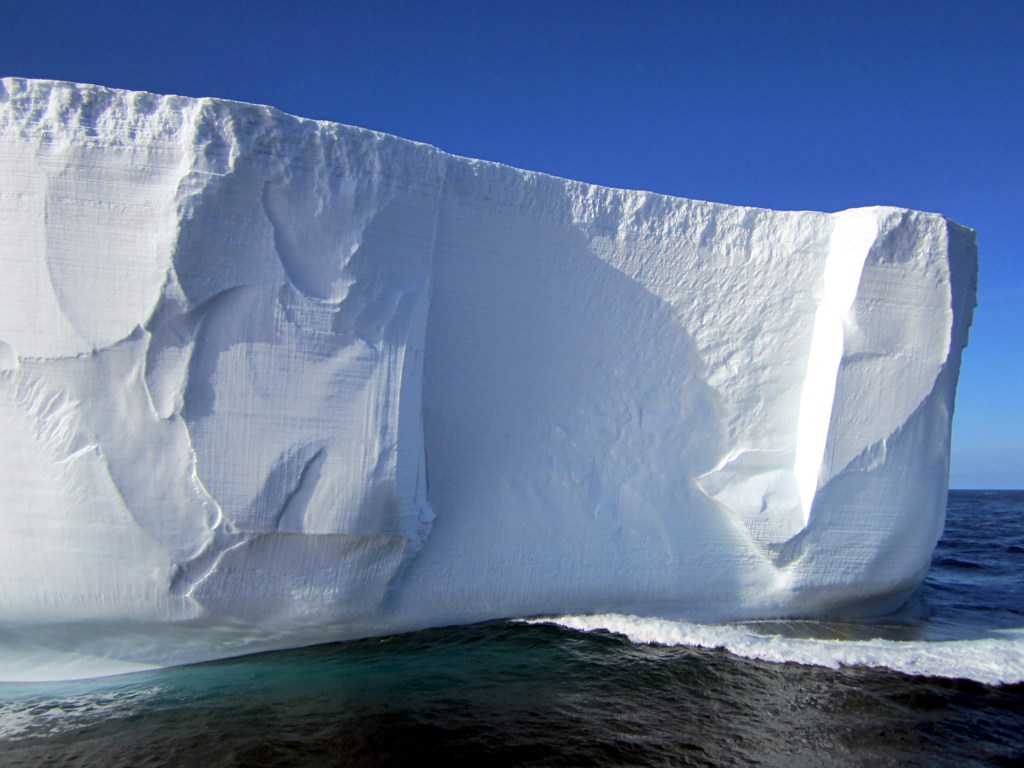
Explore the Antarctic Peninsula through weather-led penguin-colony landings, snow walks and Zodiac cruises beneath glacier fronts. Move through iceberg-filled channels and quiet bays, watching for seals on floes and whales surfacing nearby. Each day’s sites are selected for the best combination of safety, wildlife activity and scenery.
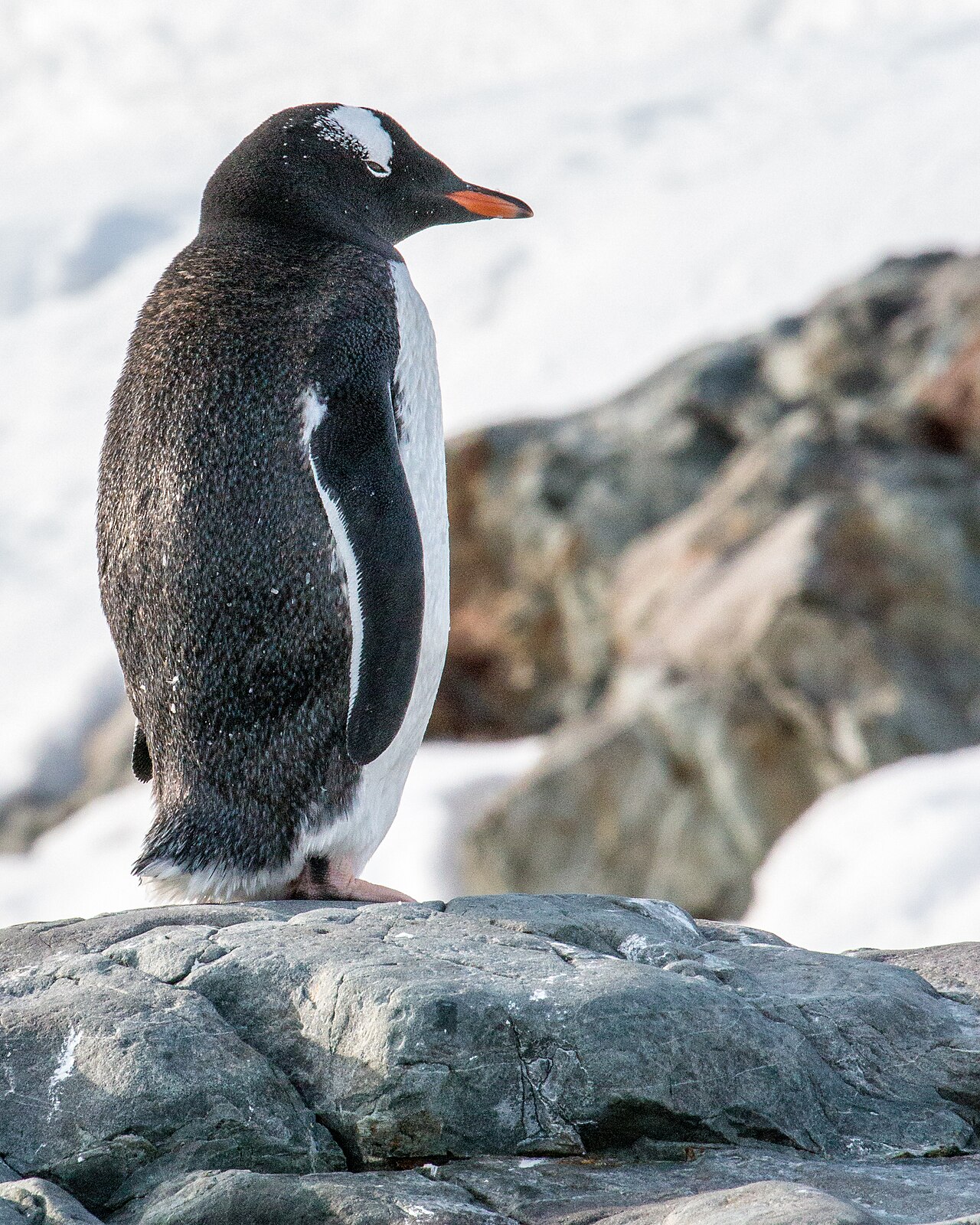
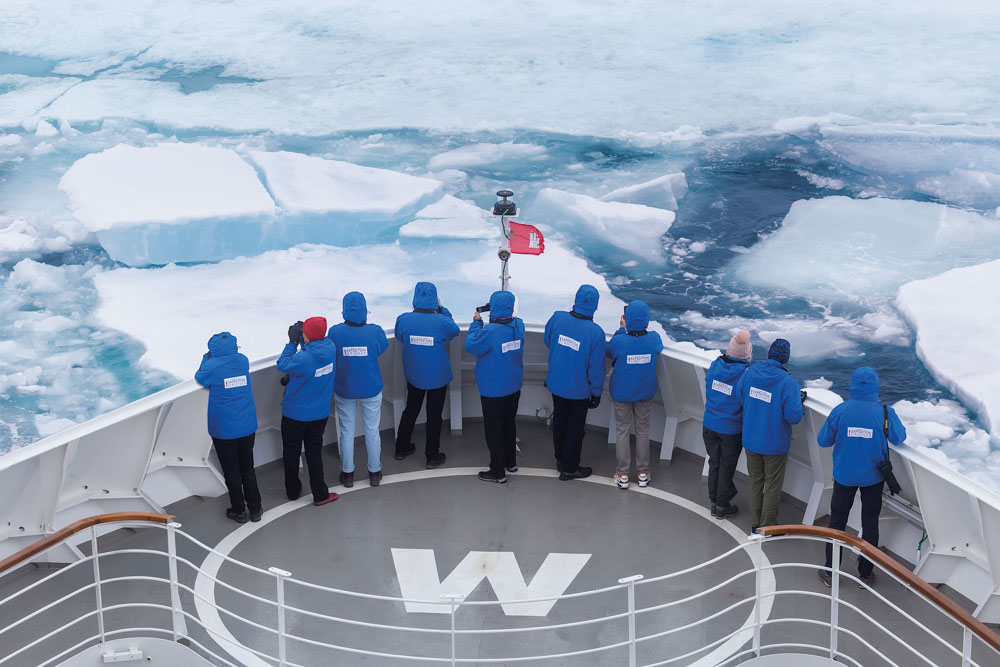
Follow increasingly remote channels towards latitude 66°33′ South, where broader pack ice and immense icebergs create a striking change of scale. If sea ice, weather and timing permit, cross the Antarctic Circle and continue exploring by ship or Zodiac. Reaching the line remains an objective rather than a guarantee.
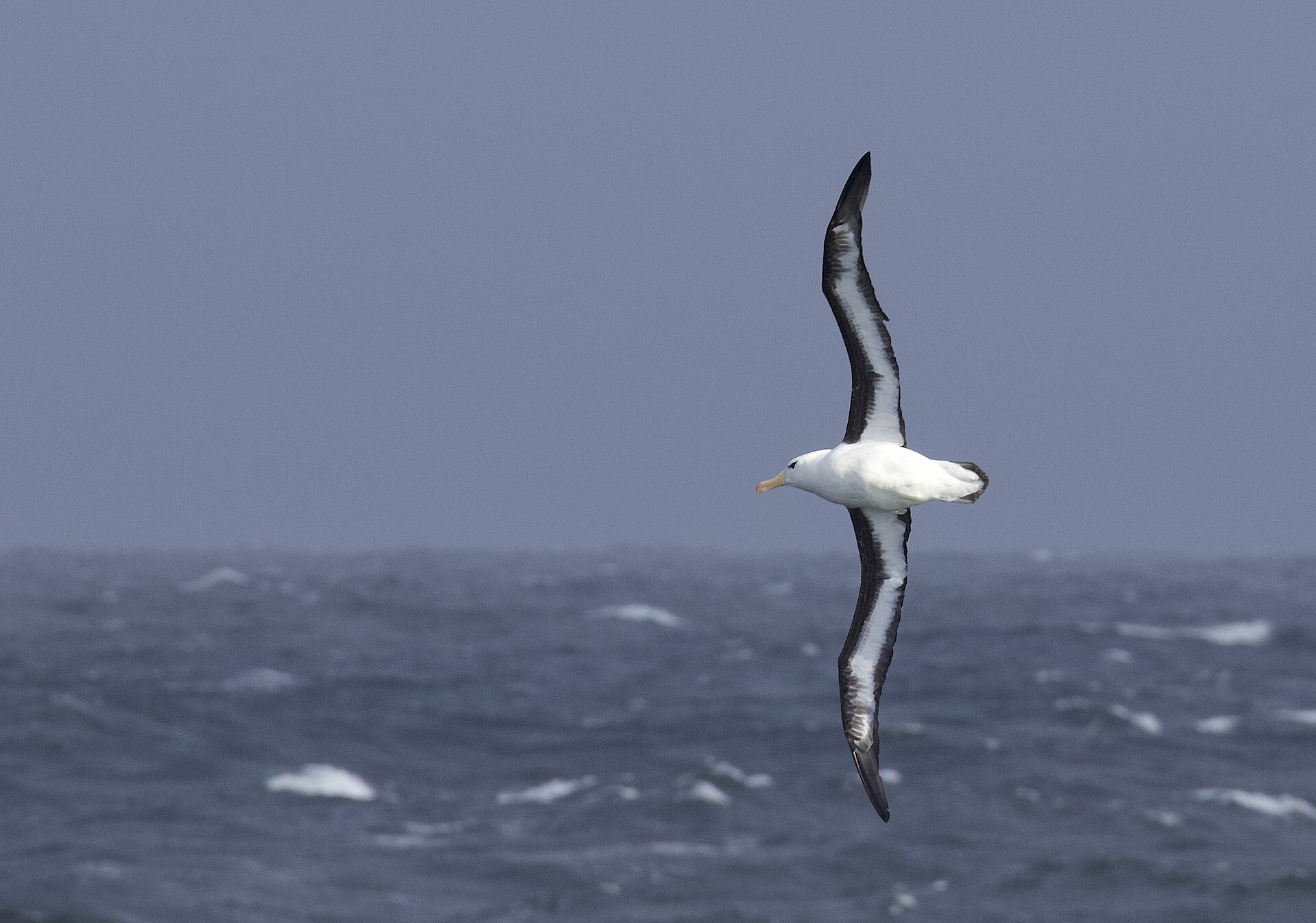
Turn north and cross the Drake Passage towards South America. Expedition recaps, lectures and time to review photographs bring together the voyage’s three distinct wildlife regions, while albatrosses, petrels and possible whales provide continued reasons to watch from the outer decks.
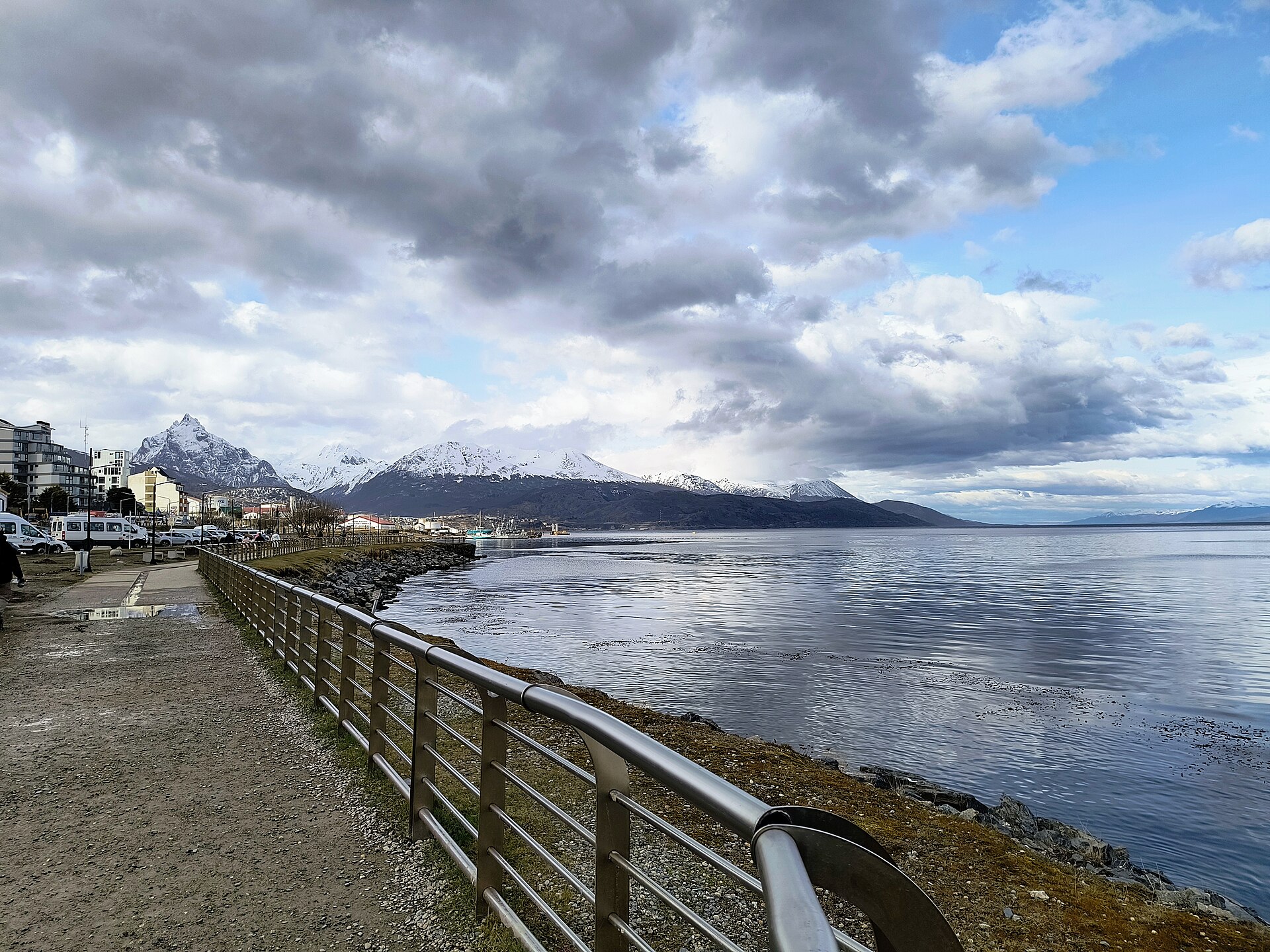
Re-enter the Beagle Channel and arrive in Ushuaia after an exceptional journey across the Southern Ocean. Disembark after breakfast and say farewell to the expedition team and fellow travellers. Keep a comfortable buffer before onward flights because the final arrival can still respond to sea conditions.
EXPEDITION SHIPS
Ship assignments vary by departure. These examples show the range of expedition styles available.
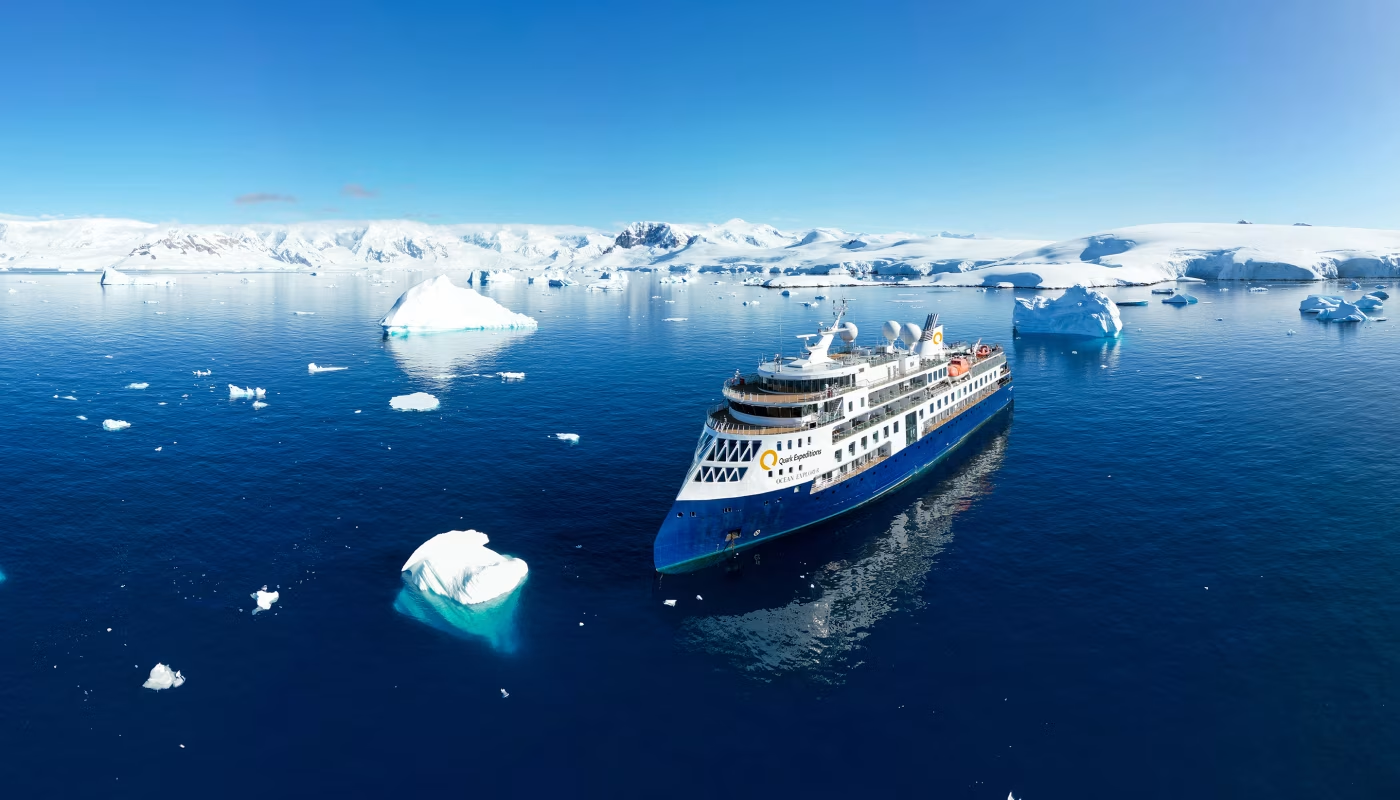 Quark Expeditions
138 guests · PC6 · X-BOW design
Ask about this ship →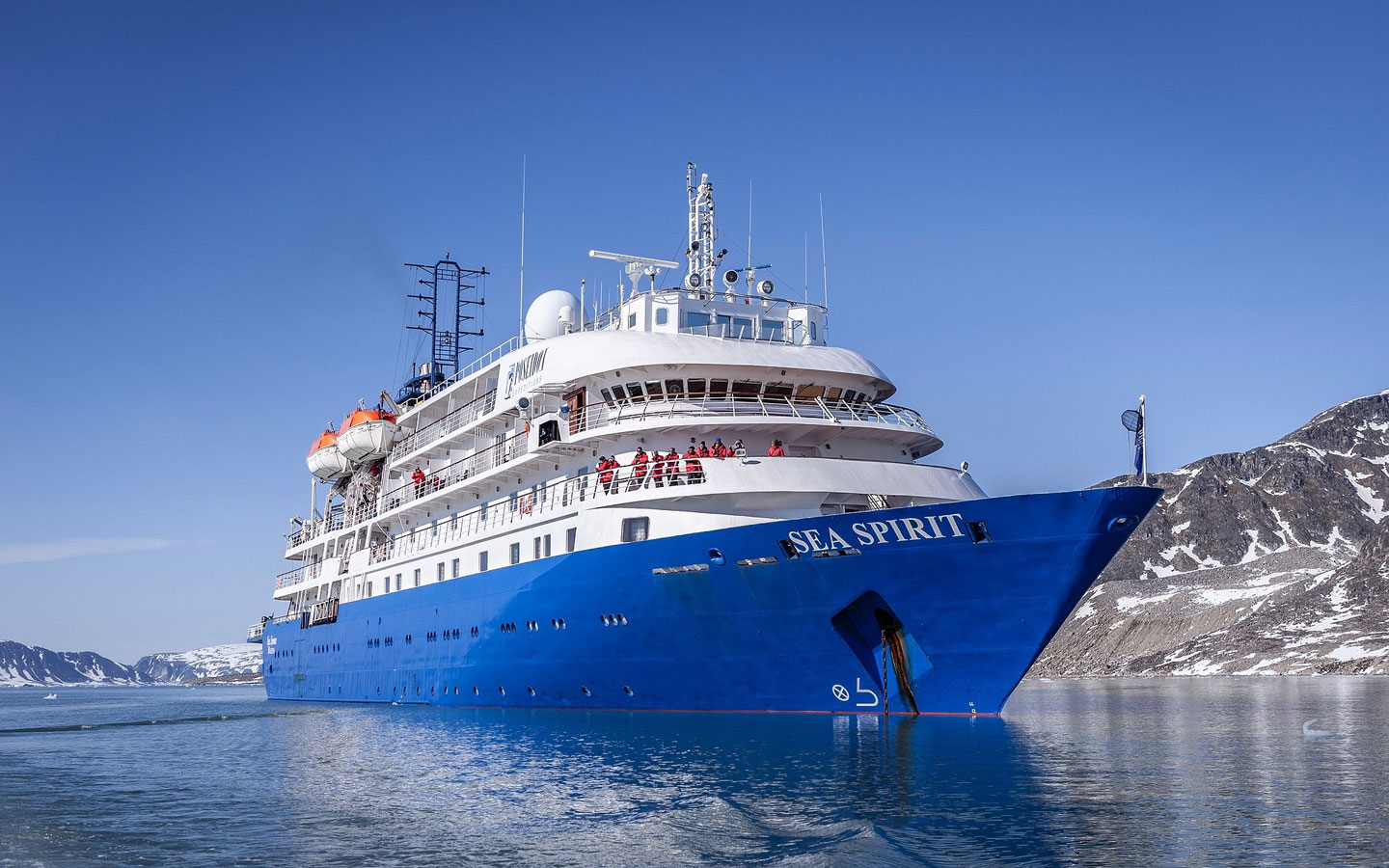 Poseidon Expeditions
114 guests · Intimate, all-suite ship
Ask about this ship →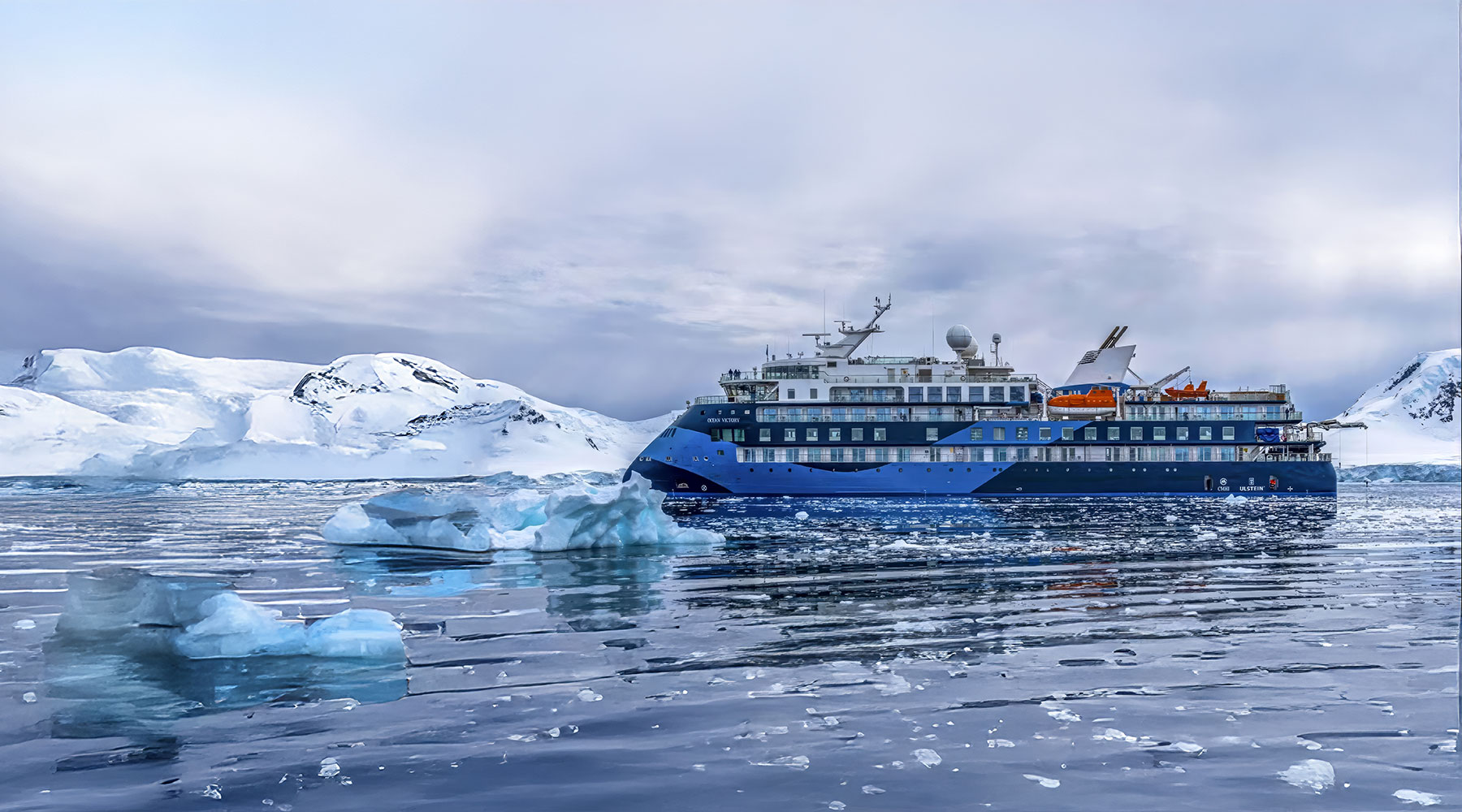 Polar Latitudes
About 175 guests · PC6 · X-BOW design
Ask about this ship →PLANNING NOTES
WHAT TO EXPECT
PLAN THIS JOURNEY
Tell us your preferred travel window, cabin style and priorities. We will help you compare suitable departures and expedition ships.